
The Secret To Shiny Hair: The Science-Backed Guide to Luminous Strands

We have all seen it—that mesmerizing, mirror-like reflection on a healthy head of hair that catches the light beautifully with every movement. The internet is flooded with quick-fix hacks, DIY kitchen masks, and trending social media videos promising to unlock this look overnight. However, many of these methods only coat the hair temporarily, leaving it weighed down or brittle later on.

The true secret to achieving genuinely vibrant, radiant hair isn't found in a magic potion or an expensive salon-only trick. Instead, it lies in the fascinating world of biology and chemistry. By understanding how hair is built and how it interacts with specific ingredients, anyone—from teenagers discovering hair care to adults looking to restore their hair's youthful vitality—can achieve a healthy glow. Let’s dive deep into the science of hair to see how you can transform dull strands into a brilliant mane.
The Biological Blueprint of Shiny Hair and Optimal pH
To understand how hair becomes glossy, we first have to take a microscopic look at its structure. A single strand of hair is divided into three distinct concentric layers:
The Medulla: The innermost core, which is often light, fragile, and sometimes completely absent in fine or blonde hair types.
The Cortex: The thick middle layer made of fibrous proteins and water. This layer determines your hair’s strength, elasticity, and natural color pigments.
The Cuticle: The outermost protective shield. This is the layer entirely responsible for whether your hair looks dull or incredibly reflective.
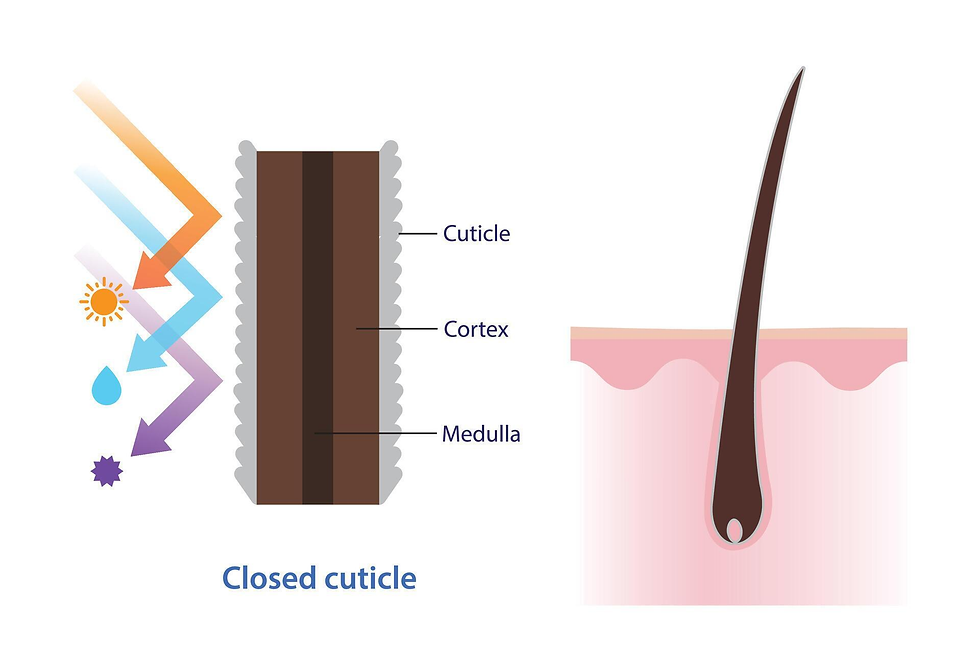
The cuticle is composed of tiny, dead cells that overlap like shingles on a roof or scales on a fish. When your hair is completely healthy, these microscopic shingles lay perfectly flat, tightly overlapping one another to create a uniform, even plane.
When light hits this smooth, uniform surface, it bounces off in a neat, direct angle. In physics, this is known as specular reflection, and our eyes perceive it as a brilliant, glossy sheen.
On the other hand, if your hair is damaged, dry, or chemically altered, these shingles lift up, break, or rough up. When light hits an uneven surface, it scatters in dozens of different directions—a phenomenon called diffuse reflection. This scattered light is exactly why damaged hair looks matte, frizzy, and completely devoid of luster.
The Acid Test: Why pH Balance Controls the Cuticle
You might remember the pH scale from science class. It ranges from 0 (highly acidic) to 14 (highly alkaline), with 7 being completely neutral. What many people don't realize is that your hair and scalp thrive in a naturally acidic environment, carrying an optimal pH level between 4.5 and 5.5.
Maintaining this acidic sweet spot is the ultimate gatekeeper of hair shine. Alkaline substances—such as tap water (which often hovers around 7.0 to 8.5), harsh sulfate shampoos, or chemical hair dyes—cause the hair shaft to swell up and absorb water excessively. This swelling forces the cuticle shingles to pop open and lift.
When your hair care routine introduces mild, pH-balanced acidic products, it coaxes the hair shaft to contract. This contraction forces the cuticle shingles to lay completely flat and seal shut. Not only does this lock vital moisture inside the cortex, but it instantly creates that perfectly flat mirror surface required for maximum light reflection.
The Science of High-Shine Ingredients: Glycolic Acid and Keratin
When browsing the beauty aisles, you will find countless ingredients boasting shine-enhancing properties. However, two specific powerhouses stand out because they solve the dullness problem from two completely different, scientifically proven angles: Glycolic Acid and Keratin.
1. Glycolic Acid: The Ultimate pH Reset and Humectant
Long celebrated as a holy grail ingredient in skincare for its exfoliating properties, glycolic acid has successfully transitioned into advanced haircare formulations. It is an Alpha Hydroxy Acid (AHA) with a unique superpower: an exceptionally small molecular weight.
Because its molecules are so tiny, glycolic acid doesn't just sit on top of the hair strand. It effortlessly slips past the outer cuticle layer to penetrate deep into the inner cortex. Once inside, it acts as a highly effective humectant, pulling in water molecules to deeply hydrate the hair from within, which improves overall elasticity and softness.
On the outside of the strand, glycolic acid works magic by dissolving stubborn calcium and magnesium mineral build-up left behind by hard water. Because it is naturally acidic, it lowers the hair's overall pH back down to its ideal 4.5 to 5.5 range, smoothing the lifted cuticles flat to create a glassy surface.
2. Keratin: The Structural Patchwork for Damaged Strands
If glycolic acid is the tool that smooths the surface, keratin is the building block that repairs the foundation. Your hair is naturally composed of roughly 85% to 90% keratin, a tough, fibrous structural protein.
Everyday activities—like rough towel drying, high-heat styling, environmental pollution, and UV exposure—chip away at this natural protein structure. This erosion leaves behind microscopic gaps and "potholes" along the hair strand, ruining its ability to reflect light cleanly.
When you apply hair products infused with hydrolyzed keratin (keratin proteins broken down into smaller, bioavailable fragments), these protein pieces act like microscopic cement. They bond directly to the damaged areas of the hair shaft, filling in the physical gaps along the cuticle and cortex. By rebuilding the missing structural pieces of the hair strand, keratin restores the uniform, flat surface necessary for an intense, healthy reflection.
Finding Your Gloss: Top Hair Products for Every Budget
Achieving beautifully reflective hair does not require a luxury budget. It is important to remember that a higher price tag does not automatically mean a product performs better. High-end brands often charge more for custom-designed fragrances, elegant packaging, or rare botanical extracts, but budget-friendly formulations can leverage the exact same core scientific principles of pH balance and molecular repair to deliver dazzling results.
Here is a breakdown of top-performing glossing products across three distinct price tiers:
1. The Budget Option: L’Oréal Paris Elvive Glycolic Gloss Leave-In Serum
Price: $8.99 - $12.99
Why It Works: This accessible, drugstore serum uses a specialized Glycolic Acid Gloss Complex to target dullness. It coats the hair fiber in a weightless, protective shield that realigns cuticles and filters out hard-water dullness, making it fantastic for daily shine on a budget.

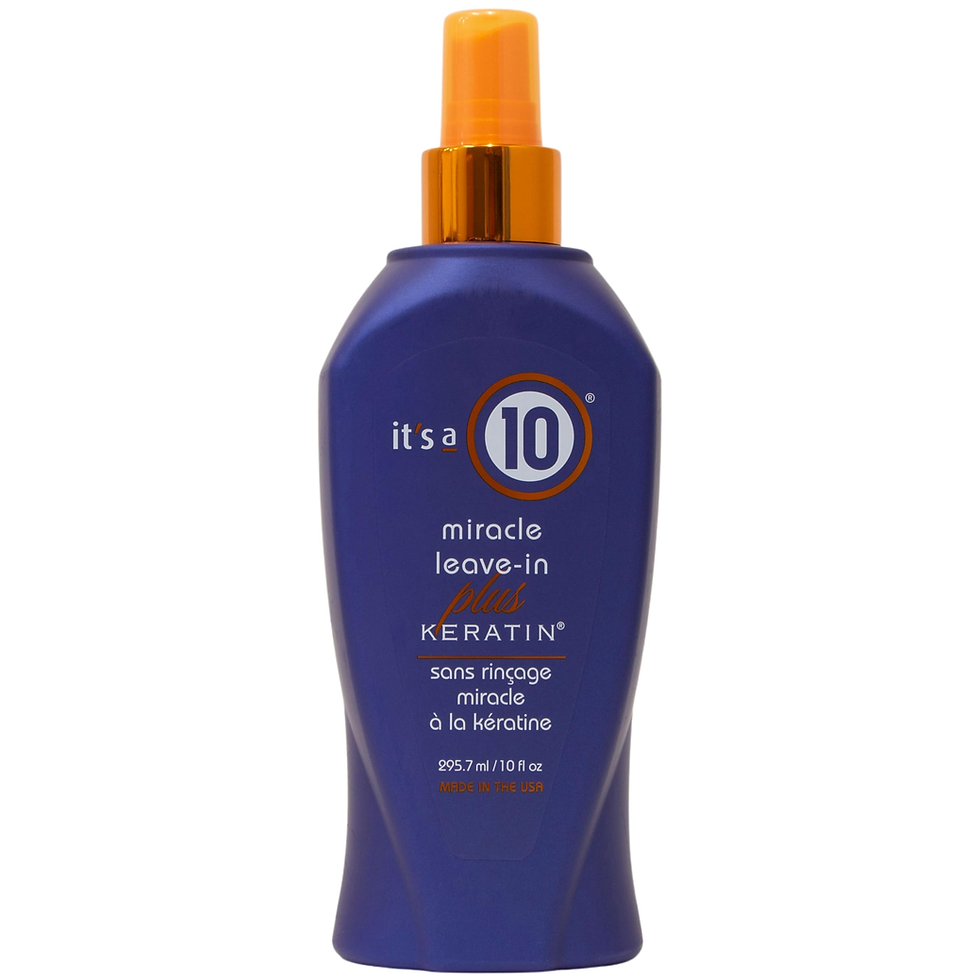
2. The Mid-Range Option: It’s a 10 Miracle Leave-In Plus Keratin
Price: $21.99 - $23.00 (for 4 oz)
Why It Works: A classic favorite among stylists, this spray is packed with hydrolyzed keratin and silk amino acids. It focuses heavily on structural repair, patching up heat-damaged cuticles and protecting the hair from future styling stress, while instantly calming frizz to reveal a natural gloss.
3. The Luxury Option: Virtue Labs Healing Oil
Price: $46.00 (for 1.7 oz)
Why It Works: This luxury option features a proprietary, bio-engineered protein called Alpha Keratin 60ku®. Because this protein is identical to the keratin naturally found in human hair, the strand accepts it seamlessly, instantly healing damage. It combines this advanced science with lightweight botanical oils for a premium, non-greasy luster.

Summary of the Secrets to Glossy Hair
Feature | Scientific Function | Main Benefit |
Flat Cuticles | Creates a smooth plane for specular light reflection. | Mirror-like shine and reduced frizz. |
Acidic pH (4.5 - 5.5) | Forces the hair shaft to shrink and seals cuticles shut. | Locks in moisture and boosts gloss. |
Glycolic Acid | Penetrates the cortex for hydration and clears mineral build-up. | Softens strands and resets optimal pH. |
Keratin | Physically fills in structural gaps and damage along the shaft. | Strengthens hair and creates a uniform surface. |
Conclusion: Emphasizing the Science of Shine
At the end of the day, the secret to shiny hair isn't a matter of luck or overspending—it is a matter of science. True, long-lasting gloss happens when the hair’s outermost cuticle layer is completely smooth, structural gaps are filled, and the pH is balanced to a healthy, slightly acidic level.
By prioritizing smart ingredients like glycolic acid to clear away dulling build-up and hydrate, alongside keratin to rebuild structural damage, you can systematically alter how light interacts with your strands. Whether you pick up an affordable drugstore serum or invest in a luxury bio-engineered oil, treating your hair with scientific care will always unlock its brightest potential.


Comments