
The New Beauty Trend Is Looking Healthy, Not Perfect : Why Beauty Standards Are Changing in 2026

For years, the beauty industry was built around the idea of perfection.
Perfect skin meant invisible pores, zero texture, flawless makeup, and an almost airbrushed appearance both online and offline.
Social media only intensified these standards. Filters, editing apps, and highly curated beauty content created unrealistic expectations that many consumers felt pressured to follow.
But something has started to change.
In 2026, the beauty conversation is shifting away from looking “perfect” and toward looking healthy, rested, and real. Instead of chasing completely poreless skin or heavy full-coverage makeup, consumers are becoming more interested in hydrated skin, natural glow, skin longevity, and overall wellness.

This massive change is influencing everything from skincare routines to makeup textures and even the language brands use to market products.
According to recent beauty industry reports, consumers are increasingly prioritizing long-term skin health, emotional wellbeing, and realistic beauty goals over aggressive “perfect skin” marketing. Mintel’s 2026 beauty trend forecast even noted that imperfection and emotional comfort are becoming central themes in modern beauty culture.
The Era of Heavy “Perfect Skin” Makeup Is Fading
One of the clearest signs of this shift can be seen in makeup trends.
For years, heavy matte foundation and full-coverage “Instagram makeup” dominated social media. But today, consumers are moving toward lighter textures that enhance the skin instead of covering it completely.
Skin tints, serum foundations, lightweight concealers, and glow-focused products are becoming increasingly popular because people want their skin to still look like skin.
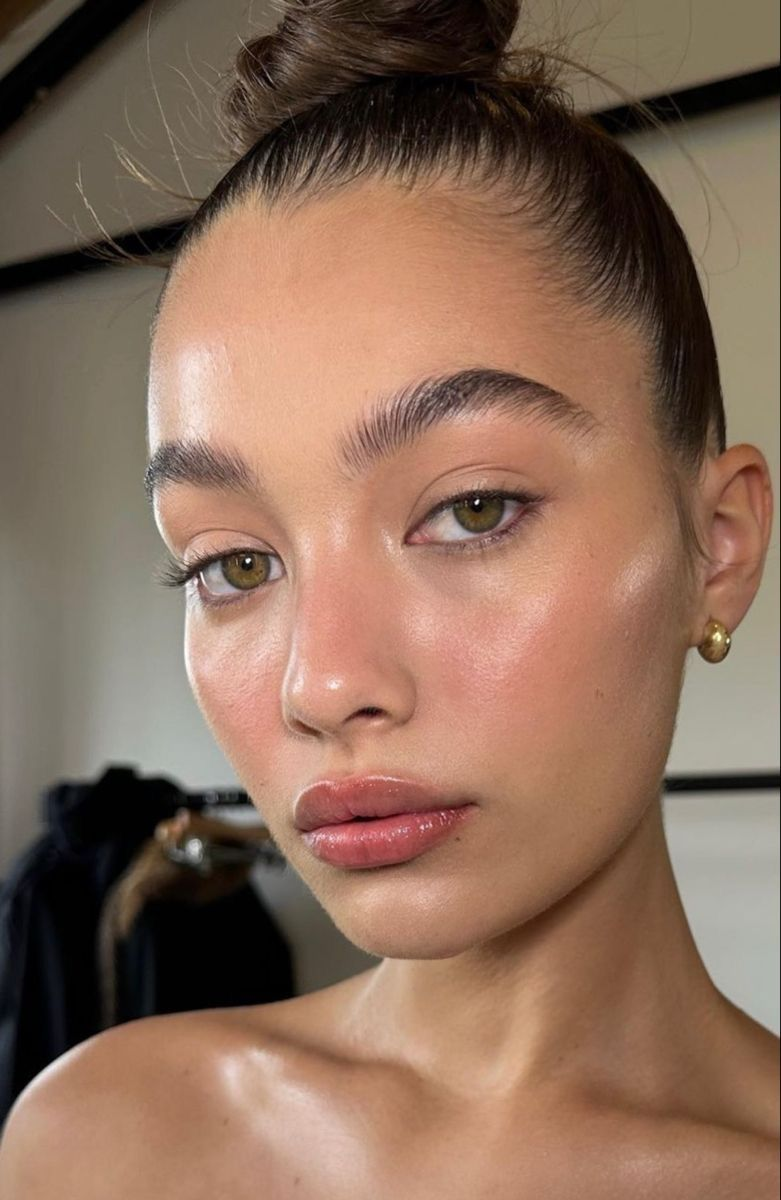
Vogue recently reported that foundation is now evolving into a more skincare-focused category, with brands emphasizing breathable formulas, hydration, and natural finishes rather than heavy coverage. The report also highlighted that consumers are becoming more ingredient-aware and are looking for products that improve skin quality instead of masking it.

Even beauty trends themselves reflect this evolution. The ultra-glossy “glass skin” aesthetic is slowly being replaced by softer and more natural-looking finishes like “cloud skin,” where the goal is healthy, balanced skin rather than extreme shine or perfection.
Consumers Are Becoming Tired of Overconsumption
Another reason beauty standards are changing is simple: people are exhausted.
Over the past few years, skincare routines became increasingly complicated. Social media pushed consumers toward endless product launches, 10-step routines, trend-driven purchases, and constant experimentation.
Now, many consumers are starting to push back against this culture of overconsumption.

Industry reports for 2026 show a growing shift toward “skinimalism,” a beauty philosophy focused on fewer but more effective products. Instead of buying dozens of skincare items, consumers are becoming more selective and are looking for routines that feel sustainable, calming, and realistic.
This is especially visible among younger consumers. Gen Z shoppers are increasingly interested in skincare that supports long-term skin health rather than aggressive correction or unrealistic transformations.
The focus is becoming less about “fixing flaws” and more about supporting healthy skin over time.
“Slow Aging” Is Replacing “Anti-Aging”
Even the language of beauty is evolving.
For decades, the industry was dominated by the term “anti-aging,” which implied that aging itself was something negative to fight against. But many consumers no longer connect with that messaging.
In Korea especially, the idea of “slow aging” has become one of the biggest beauty movements of 2026. Rather than trying to erase every sign of age, slow aging focuses on maintaining healthy, resilient skin through hydration, prevention, sunscreen, sleep, and barrier support.

This shift reflects a larger cultural change. Consumers are becoming more interested in looking energized, healthy, and well-rested instead of trying to look permanently younger.
Online beauty discussions increasingly show frustration with unrealistic anti-aging expectations. Many consumers now openly discuss how exhausting it feels to constantly chase perfection online. Some even argue that modern beauty standards have become too heavily connected to youth obsession and filtered appearances.
As a result, healthier and more realistic beauty ideals are starting to resonate more strongly.
Healthy Skin Is Becoming More Important Than Perfect Skin
One of the biggest beauty priorities in 2026 is skin quality.
Consumers are paying more attention to:
hydration,
skin barrier health,
inflammation,
stress-related skin issues,
and long-term skin resilience.
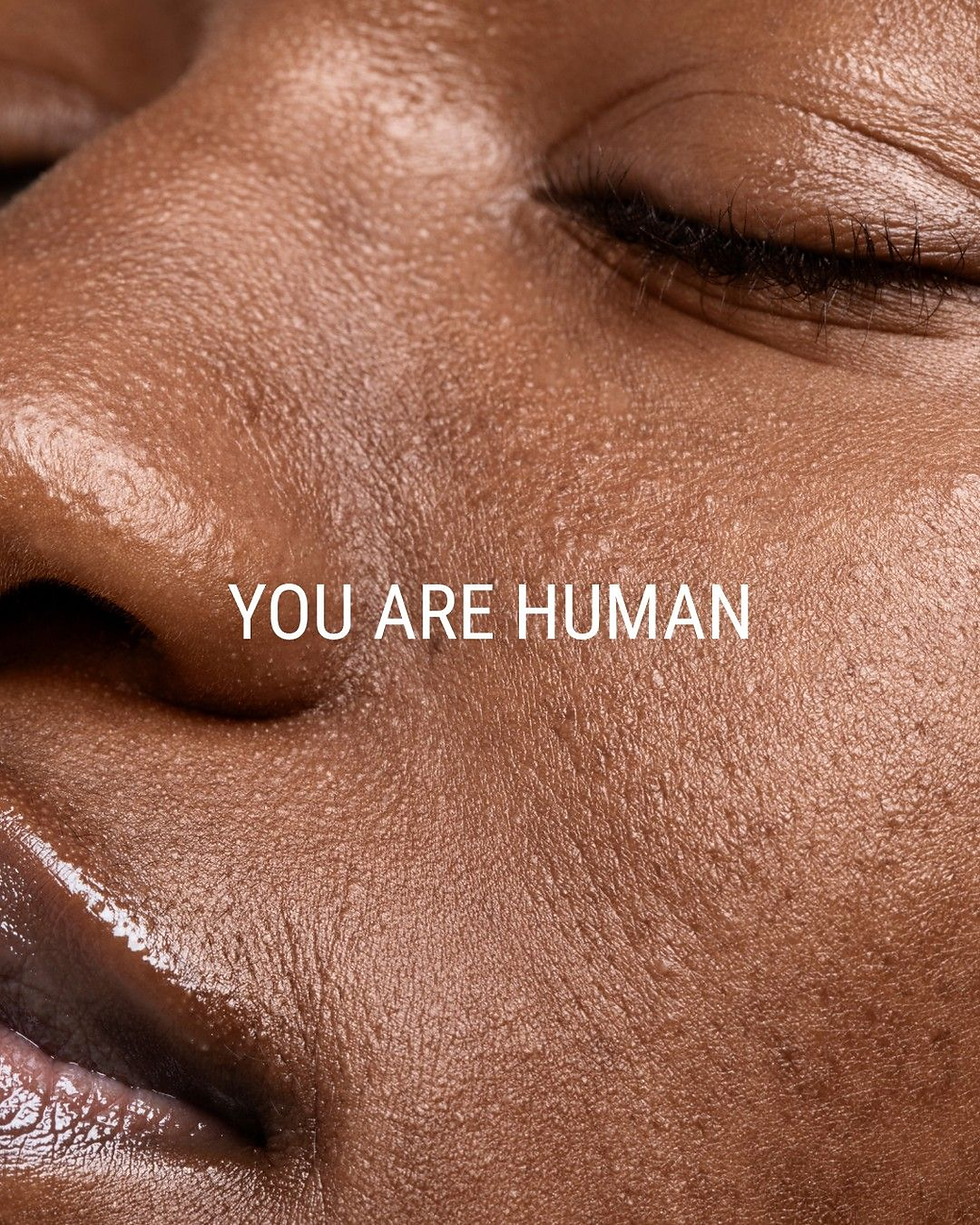
Recent skincare forecasts show that gentle skincare, barrier repair, and skin longevity are becoming dominant industry themes. Experts increasingly recommend consistent routines focused on hydration, sunscreen, and maintaining healthy skin rather than aggressively over-treating it.
Even skincare textures are changing. Lightweight moisturizers, breathable makeup, and skin-first formulations are replacing heavy products designed only to create flawless coverage.
Consumers want products that make them look healthy in real life — not just under filters.
The Influence of Korean Beauty Philosophy
Korean beauty trends continue to play a major role in this global shift.
While K-beauty was once associated internationally with complex 10-step routines, modern Korean skincare philosophy is increasingly centered around simplicity, hydration, and long-term skin wellness.
Reports from Korean beauty trend analysts show that consumers are now choosing fewer but more functional products while prioritizing barrier-friendly ingredients such as peptides, ceramides, centella asiatica, and hydrating actives.

This philosophy aligns perfectly with the growing desire for healthier-looking skin rather than artificially perfect skin.
Beauty is becoming less about transformation and more about maintenance, comfort, and confidence.
The Future of Beauty Looks More Human
The beauty industry is clearly entering a new era.
Consumers are becoming more educated, more selective, and more emotionally aware of how beauty culture affects them. Instead of chasing impossible standards, many people now want skincare and makeup that help them feel comfortable, confident, and healthy.
Perfect skin is no longer the goal for many consumers.
Healthy skin is.
And in many ways, that shift may be one of the healthiest changes the beauty industry has seen in years.
About Next Pangaea
At Next Pangaea, we believe beauty should support healthy skin rather than unrealistic perfection.

As a Korean skincare manufacturer, we focus on creating skincare solutions inspired by modern Korean beauty philosophy, emphasizing hydration, skin balance, and long-term skin wellness.


Comments