
Scalp Hair Care Science: The Skinification of Hair Routines

In 2026, the way people think about haircare has evolved profoundly. Haircare used to focus almost entirely on the visible strands — shine, smoothness, frizz control — but consumers today are shifting their attention upstream, to the scalp itself. This reflects a growing understanding that healthy hair starts with healthy skin. The trend known as skinification applies principles from facial skincare — microbiome balance, barrier function, inflammation control — directly to the scalp.

Scientific research now confirms that the scalp is not just a functional base for hair, but a living skin ecosystem complete with sebaceous glands, immune activity, and a dynamic microbiota. When this environment becomes imbalanced through buildup, harsh cleansers, stress, pollution, or inflammation, it can disrupt the hair growth cycle and contribute to itch, flaking, sensitivity, and even shedding. Dermatological studies have increasingly linked inflammatory changes around hair follicles with altered hair cycling, reinforcing the need to treat the scalp like any other skin area.
The Scalp as a Living Skin Environment
Unlike hair strands, which are dead keratin structures, the scalp is alive with biological processes. It houses roughly 100,000 hair follicles and a dense network of sebaceous glands, all interacting with a complex microbial population. Recent microbiome research reveals that the scalp hosts a diverse array of bacteria and fungi that vary by region and depth of the skin, indicating an ecosystem as intricate as that of facial skin. Disruptions in this microbiome are linked to irritation and inflammation.

In one clinical study, a post-biotic shampoo led to measurable improvements in scalp condition, including reduced sebaceous secretion and visible flaking after five months of use, demonstrating that modifying the scalp microbiota can have tangible benefits for scalp health.
Applying Skincare Logic to the Scalp
As skincare education becomes mainstream, consumers are increasingly aware of ingredients and their mechanisms of action. Salicylic acid, widely known for exfoliating facial skin, is now used in scalp products to gently remove excess sebum and dead cells. Removing this buildup helps prevent clogged pores around hair follicles and reduces irritation — serving a similar purpose on the scalp as it does on the face.

This crossover from facial to scalp care is no accident. Salicylic acid’s ability to accelerate desquamation — the controlled shedding of outer skin cells — is well documented in dermatology, making it a logical choice to improve scalp comfort and reduce inflammation when overgrowth of dead skin is an issue.
From Scientific Conversations to Everyday Routines
The scientific community’s increased focus on the scalp explains why today’s hair routines look very different from those of a decade ago. Research in dermatology suggests that inflammation within the scalp’s micro-environment may sustain conditions like seborrheic dermatitis, itch, and irritation even when visual symptoms seem mild. This insight shifts the focus from superficial cleansing to deeper support of the scalp’s biology.
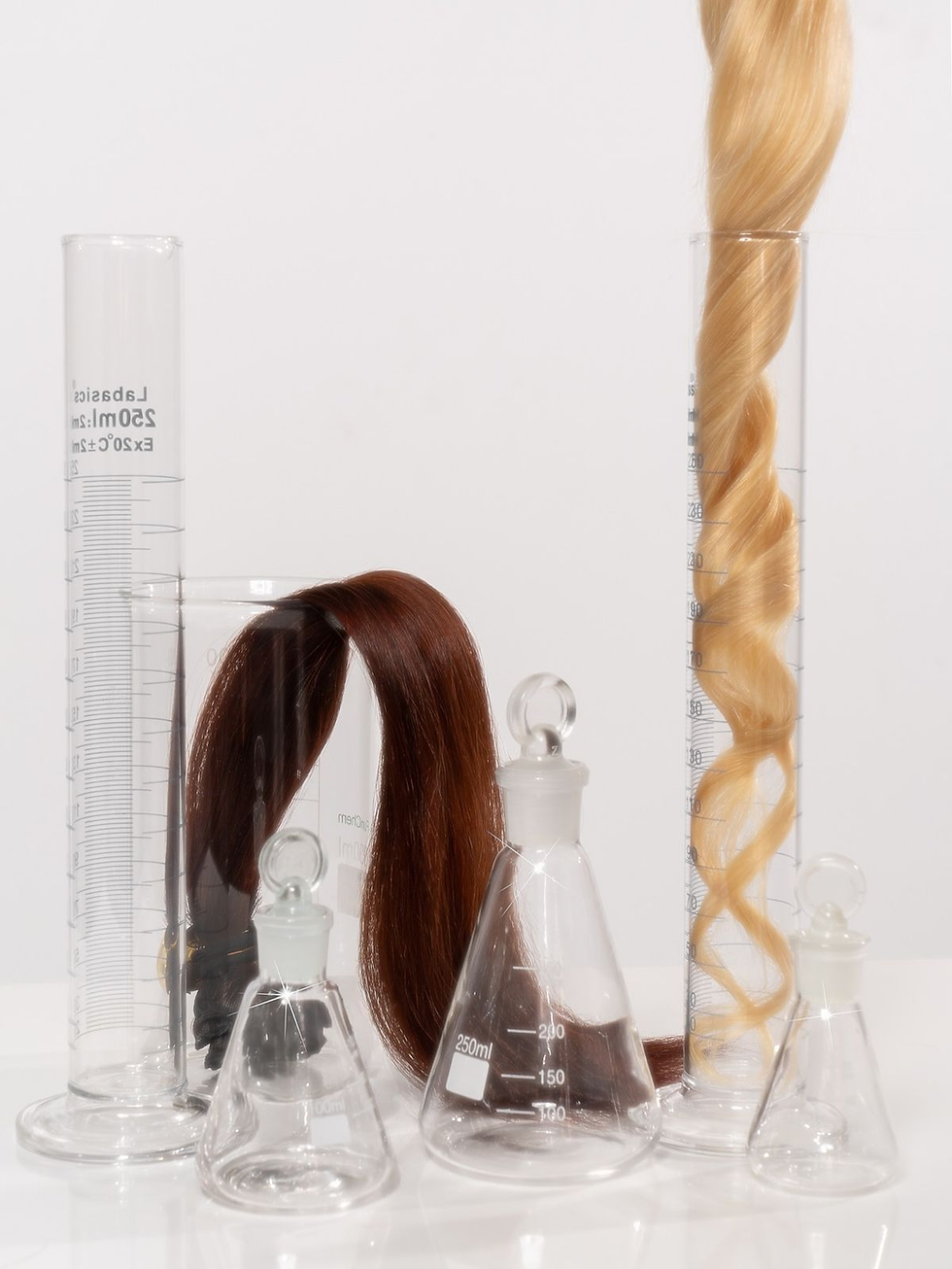
Consumers have responded. Instead of relying solely on shampoo and conditioner, many now incorporate gentle exfoliation, barrier-supporting ingredients like niacinamide and ceramides, and hydrating agents such as hyaluronic acid into their routines. These steps mirror facial skincare’s “cleanse, treat, protect” paradigm, and reflect a desire for solutions that do more than temporarily mask symptoms.
Why This Trend Has Momentum
The scaling of scalp science reflects both biological need and cultural awareness. People are more educated about inflammation, microbiome science, sensitivity, and barrier repair — not just through dermatologists, but through accessible online communities and expert content. At the same time, brands are launching products formulated with clinical evidence in mind, reinforcing the idea that scalp health is an essential part of overall hair health.

Scientific validation, combined with ingredient transparency, has helped shift conversations from “what makes hair look good” to “what actually drives long-term scalp and follicle resilience.”
Redefining Haircare as Skincare
What once began as a niche idea — that the scalp deserves the same care we give our faces — has become a foundational shift in the beauty landscape. In 2026, the ‘skinification’ of haircare acknowledges that the scalp’s health influences everything that follows: the condition of the hair, how it grows, and how it responds to environmental and physiological stressors.
Understanding and supporting the scalp as living skin is no longer just a wellness trend. It’s a data-driven, science-anchored movement reshaping how people care for their hair and their skin.


Comments