
How Indoor Heating Impacts Your Pet's Skin Health

Indoor heating keeps our homes warm and cozy during cold months, but it can have unintended effects on your pet’s skin health. As a pet owner, understanding how heating systems affect your furry friend’s skin can help you prevent discomfort and skin problems. This article explains the connection between indoor heating and pet skin health, shares practical tips, and highlights what veterinarians recommend to keep your pet comfortable all winter.
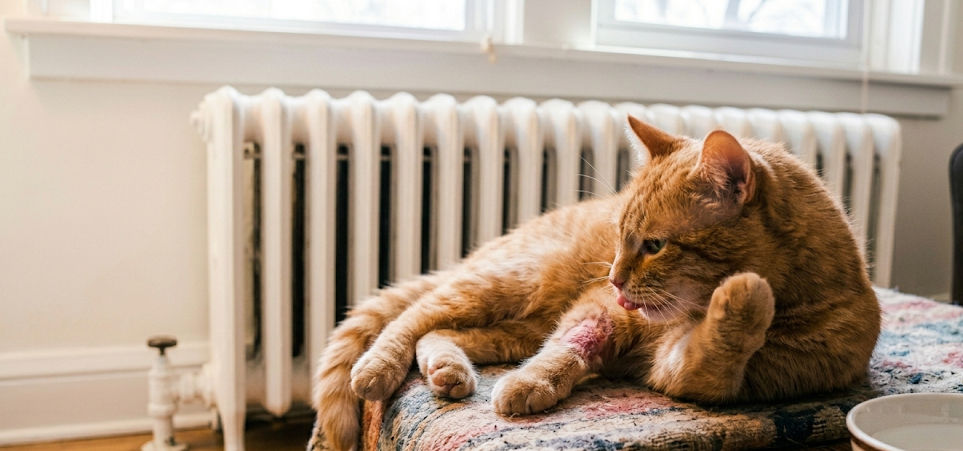
How Indoor Heating Affects Pet Skin
Indoor heating systems, such as radiators, forced air heaters, and electric blankets, reduce indoor humidity levels. Dry air pulls moisture from the skin, leading to dryness, flakiness, and irritation. Pets with thick fur may not show symptoms immediately, but their skin can become dry beneath the coat, causing discomfort.
Common Skin Issues Linked to Dry Indoor Air
Dry, flaky skin: Pets may develop dandruff or visible flakes.
Itching and scratching: Dry skin often causes itching, which can lead to redness or sores.
Hot spots: Persistent scratching can create inflamed, infected areas known as hot spots.
Cracked paw pads: Heating can dry out paw pads, making them rough or cracked.
Increased shedding: Dry skin can contribute to excessive fur loss.
Pets with pre-existing skin conditions, such as allergies or eczema, are especially vulnerable to these effects during heating season.
Why Pet Skin Needs Moisture
Healthy pet skin acts as a barrier against bacteria, allergens, and parasites. When skin loses moisture, this barrier weakens, increasing the risk of infections and irritation. Moist skin also supports fur health, keeping the coat shiny and strong.
Veterinarians emphasize that maintaining skin hydration is as important as regular grooming and nutrition. Indoor heating disrupts this balance by drying out the air, so pet owners need to take extra steps to protect their pets.
Practical Tips to Protect Your Pet’s Skin During Heating Season
1. Use a Humidifier
Adding moisture to the air with a humidifier can counteract the drying effects of indoor heating. Aim for indoor humidity levels between 30% and 50%. This range helps keep your pet’s skin hydrated without encouraging mold growth.
2. Regular Grooming
Brushing your pet regularly removes dead skin cells and distributes natural oils across the coat. This helps maintain moisture and reduces itching. For pets with thick or long fur, professional grooming during winter can prevent matting, which traps dry skin.
3. Choose Skin-Friendly Bathing Products
Use mild, moisturizing shampoos designed for pets. Avoid over-bathing, as frequent baths strip natural oils from the skin. Veterinarians recommend bathing no more than once a month during dry months unless your pet has specific skin conditions.
4. Provide Plenty of Fresh Water
Hydration starts from within. Make sure your pet always has access to fresh water. Dehydration worsens dry skin, so encourage drinking by placing water bowls in multiple locations.
5. Monitor Your Pet’s Skin and Behavior
Watch for signs of dry skin, such as scratching, licking, or visible flakes. Early detection allows you to address problems before they worsen. If you notice persistent redness, sores, or hair loss, consult your veterinarian promptly.
When to See a Veterinarian
If your pet’s skin problems persist despite home care, a veterinarian can provide targeted treatments. These may include:
Prescription medicated shampoos or topical ointments
Omega-3 fatty acid supplements to improve skin barrier function
Allergy testing and management if allergies contribute to skin issues
Treatment for secondary infections caused by scratching
Veterinarians also recommend regular wellness exams during winter to catch skin problems early.

Summary
Indoor heating creates dry air that can negatively affect your pet’s skin health. Dry, itchy skin, hot spots, and cracked paw pads are common problems during heating season. Protect your pet by using a humidifier, grooming regularly, choosing gentle bathing products, and ensuring proper hydration. Monitor your pet’s skin closely and seek veterinary care if issues persist.
By understanding how indoor heating impacts pet skin, you can keep your furry friend comfortable and healthy all winter long. Taking simple steps now prevents skin problems and supports your pet’s overall well-being.


Comments