
Different Types of Pimples on Acne-Prone Skin

Acne-prone skin can feel like a constant battle. One day, your skin looks clear, and the next, blemishes appear out of nowhere. Knowing the different types of pimples that can form on acne-prone skin helps you understand what’s happening beneath the surface and how to treat each type effectively. This guide breaks down the common pimples you might encounter and offers practical tips to manage them.

Whiteheads and Blackheads: The Basics of Blemishes
Whiteheads and blackheads are the most common pimples on acne-prone skin. Both start when pores get clogged with excess oil, dead skin cells, and bacteria.
Whiteheads are closed clogged pores. They appear as small, white bumps on the skin. Because the pore is closed, the trapped material stays under the skin’s surface.
Blackheads are open clogged pores. The surface is exposed to air, which causes the trapped material to oxidize and turn black.
These blemishes are usually mild but can be stubborn. Regular cleansing and gentle exfoliation help keep pores clear. Avoid squeezing them, as this can cause irritation or infection.
Papules: Inflamed Pimples Without Pus
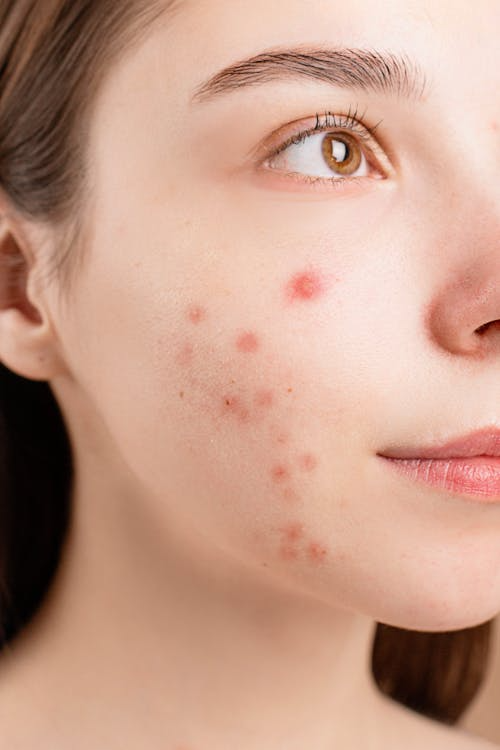
Papules are small, red, and tender bumps that form when clogged pores become inflamed. Unlike whiteheads or blackheads, papules don’t have a visible head filled with pus. They can feel sore to the touch and often appear in clusters on acne-prone skin. Papules indicate that the skin’s immune system is reacting to bacteria inside the pore.
Over-the-counter treatments with ingredients like salicylic acid or benzoyl peroxide can reduce inflammation and clear these pimples.
Pustules: Pimples with Pus
Pustules are what most people think of as typical pimples. They look like red bumps with a white or yellow center filled with pus. This pus is a mix of dead white blood cells, bacteria, and skin debris.
Pustules form when the body fights infection inside a clogged pore. They can be painful and more noticeable than papules. It’s important not to pop pustules because this can spread bacteria and cause scarring. Instead, use spot treatments designed for acne-prone skin and keep the area clean.
Nodules: Deep, Painful Pimples
Nodules are large, hard lumps that develop deep under the skin. They are a severe form of pimples on acne-prone skin and can be very painful. Nodules do not have a visible head and can last for weeks or even months.
Because nodules affect deeper layers of skin, they often require professional treatment. Dermatologists may recommend prescription medications or therapies to reduce inflammation and prevent scarring.
Cysts: Large, Fluid-Filled Pimples
Cysts are similar to nodules but filled with pus. These are the most severe type of pimples and can cause significant pain and swelling. Cystic acne can lead to scarring if not treated properly.
Cysts often need medical intervention, including antibiotics or hormonal treatments. Avoid trying to pop or squeeze cysts, as this can worsen the condition.
How to Care for Acne-Prone Skin with Different Pimples
Managing acne-prone skin means understanding the type of pimples you have and choosing the right care routine:
Gentle cleansing twice a day removes excess oil and dirt without irritating the skin.
Non-comedogenic products prevent clogging pores.
Spot treatments with benzoyl peroxide or salicylic acid target specific blemishes.
Avoid harsh scrubs that can inflame sensitive skin.
Consult a dermatologist for persistent or severe pimples like nodules and cysts.
Lifestyle Tips to Support Clearer Skin
Besides skincare products, lifestyle choices impact acne-prone skin. Making a few intentional adjustments to your daily routine can significantly help reduce acne breakouts from the inside out, such as :
Smart Nutrition: Eating a balanced diet full of veggies, fruits, and lean proteins—while cutting back on sugary treats and refined carbs—helps prevent blood sugar spikes that can trigger excess oil production.
Stress & Sleep Management: High stress levels release a hormone called cortisol, which can kick your oil glands into overdrive. Prioritizing consistent sleep and finding healthy ways to unwind keeps these hormonal triggers in check.
Daily Hygiene Habits: Simple moves like washing your face twice a day with a gentle cleanser, keeping your hands off your face, and swapping out your pillowcase weekly drastically reduce the amount of acne-causing bacteria sitting on your skin.


Comments