
Why Does One Side of Your Face Age Faster and What Contributes to It

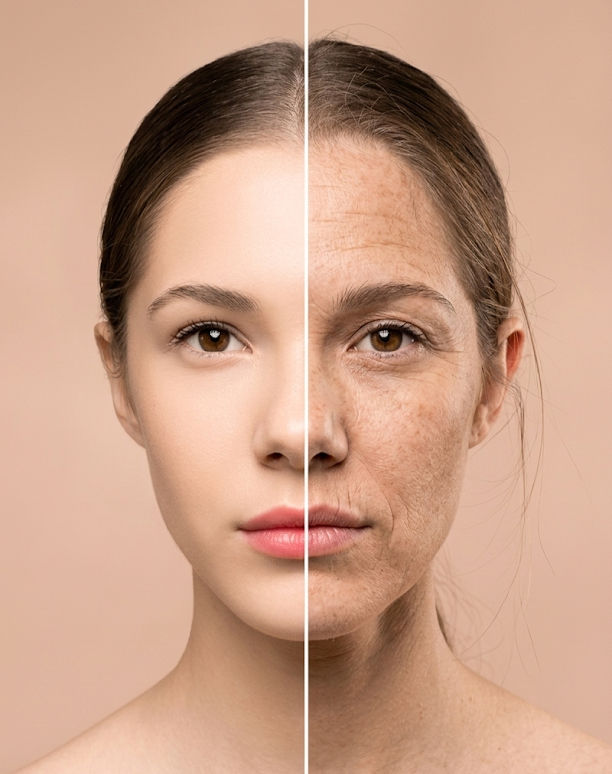
Have you ever noticed that one side of your face looks older or more tired than the other? You are not alone. Many people experience uneven aging on their face, which can be frustrating, especially if you strive for a symmetrical face. Understanding why this happens can help you take better care of your skin and possibly slow down the uneven aging process.
Driving Exposure and Its Impact on Face Aging
One of the most common reasons one side of your face ages faster is driving exposure. When you spend a lot of time behind the wheel, the side of your face closest to the window gets more sun exposure. This uneven exposure to ultraviolet (UV) rays accelerates skin damage on that side.
UV rays break down collagen and elastin, the proteins responsible for keeping your skin firm and elastic. Over time, this causes wrinkles, sunspots, and sagging skin. For example, if you drive frequently in a country where the driver sits on the left side, the left side of your face may show more signs of aging.
To protect your skin, consider these tips:
Use a broad-spectrum sunscreen every day, even when driving.
Wear UV-protective sunglasses and a wide-brimmed hat when possible.
Apply a protective barrier cream on the side of your face exposed to the window.
How Sleep Position Affects Facial Aging
Your sleep position can also contribute to uneven aging. If you consistently sleep on one side, that side of your face experiences more pressure and friction against the pillow. This repeated pressure can cause skin creases and reduce blood flow, leading to premature wrinkles and sagging.
For example, if you sleep mostly on your right side, you might notice more fine lines or puffiness on that side. Over years, this can create a noticeable difference in skin texture and firmness between the two sides of your face.
To reduce this effect:
Try sleeping on your back to minimize pressure on your face.
Use a silk or satin pillowcase to reduce friction.
Change your sleep position regularly if possible.
Facial Asymmetry and Its Role in Aging
No face is perfectly symmetrical. Facial asymmetry is natural and can be caused by genetics, bone structure, or muscle development. This asymmetry means that one side of your face may have different skin thickness, fat distribution, or muscle tone compared to the other.
Because of these differences, one side may show signs of aging sooner or more prominently. For example, if one side has thinner skin or less fat, wrinkles and sagging may appear earlier on that side.
While you cannot change your bone structure, understanding your facial asymmetry can help you tailor your skincare and treatments to address the specific needs of each side.
Muscle Dominance and Its Effect on Your Face
Muscle dominance refers to the tendency to use one side of your face more than the other when expressing emotions, chewing, or speaking. This repeated use can cause the muscles on one side to become stronger or tighter, leading to uneven facial contours and wrinkles.
For instance, if you smile more on one side or chew predominantly on one side, the skin over those muscles may develop deeper lines or lose elasticity faster. This contributes to an asymmetrical face and uneven aging.
To balance muscle use:
Practice facial exercises that target both sides equally.
Be mindful of your expressions and try to use both sides of your face.
Consult a facial therapist or specialist if muscle tension causes discomfort or noticeable asymmetry.

UV Exposure Patterns Beyond Driving
Besides driving, other daily activities can expose one side of your face to more sunlight. Walking on the street, sitting near windows at work, or outdoor hobbies can all create uneven UV exposure patterns.
For example, if you often sit near a window at your desk, the side of your face facing the window will get more sun. Over time, this side may develop more sun damage, including pigmentation changes and wrinkles.
To protect your skin from uneven UV exposure:
Rearrange your workspace to avoid direct sunlight on one side of your face.
Use window films or curtains that block UV rays.
Apply sunscreen regularly, especially if you spend long hours near windows.
Striving for a More Symmetrical Face
While perfect symmetry is rare, you can take steps to improve the balance of your face and slow uneven aging:
Protect your skin from UV rays consistently.
Adjust your sleep habits to reduce pressure on one side.
Be aware of your facial muscle use and practice balanced expressions.
Customize your skincare routine to address differences between sides.
Consider professional treatments like facial massage, microcurrent therapy, or dermatological procedures to even out skin texture and tone.


Comments