
Home-made Masks vs Sheet Masks: Differences and Effectiveness
- 동훈 Jason 임

- Jun 5
- 3 min read
When it comes to skincare, face masks have become a popular way to boost skin health and appearance. Among the many options, Home-made Masks vs Sheet Masks stand out as two common choices. Both promise hydration, nourishment, and a refreshed complexion, but they differ in ingredients, application, and overall efficiency. This post explores these differences to help you decide which mask suits your skincare routine best.
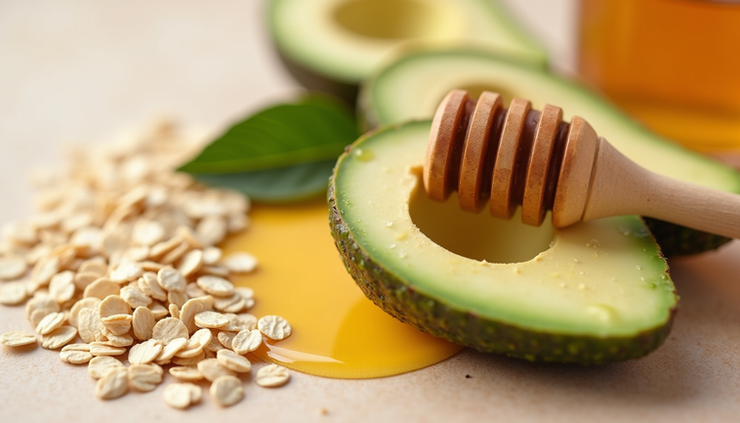
What Are Home-made Masks?
Home-made masks are skincare treatments prepared using natural ingredients found in your kitchen or garden. Common components include honey, yogurt, avocado, oatmeal, turmeric, and aloe vera. These masks allow you to customize your skincare based on your skin type and concerns.
Benefits of Home-made Masks
Natural Ingredients: You control what goes on your skin, avoiding preservatives and synthetic chemicals.
Customization: Tailor masks to target dryness, acne, dullness, or sensitivity.
Cost-effective: Ingredients are often inexpensive and readily available.
Freshness: Masks are made fresh, which can enhance the potency of active ingredients.
Limitations of Home-made Masks
Short Shelf Life: Without preservatives, these masks must be used immediately.
Inconsistent Results: Ingredient quality and proportions can vary, affecting effectiveness.
Preparation Time: Requires time and effort to mix and apply.
Potential Allergies: Natural ingredients can still cause reactions; patch testing is important.
What Are Sheet Masks?
Sheet masks are pre-soaked fabric or cellulose sheets infused with serums containing active ingredients like hyaluronic acid, vitamin C, peptides, and botanical extracts. They are designed for single use and come in sealed packets for convenience.
Benefits of Sheet Masks
Convenience: Ready to use with no preparation needed.
Consistent Dosage: Each mask delivers a measured amount of serum.
Variety: Available for different skin concerns such as brightening, anti-aging, or hydration.
Enhanced Absorption: The sheet helps serum penetrate deeper by preventing evaporation.
Limitations of Sheet Masks
Cost: Can be more expensive over time compared to home-made options.
Environmental Impact: Single-use masks generate waste.
Ingredient Sensitivities: Some formulas contain fragrances or preservatives that may irritate sensitive skin.
Less Customization: Limited to the ingredients chosen by manufacturers.
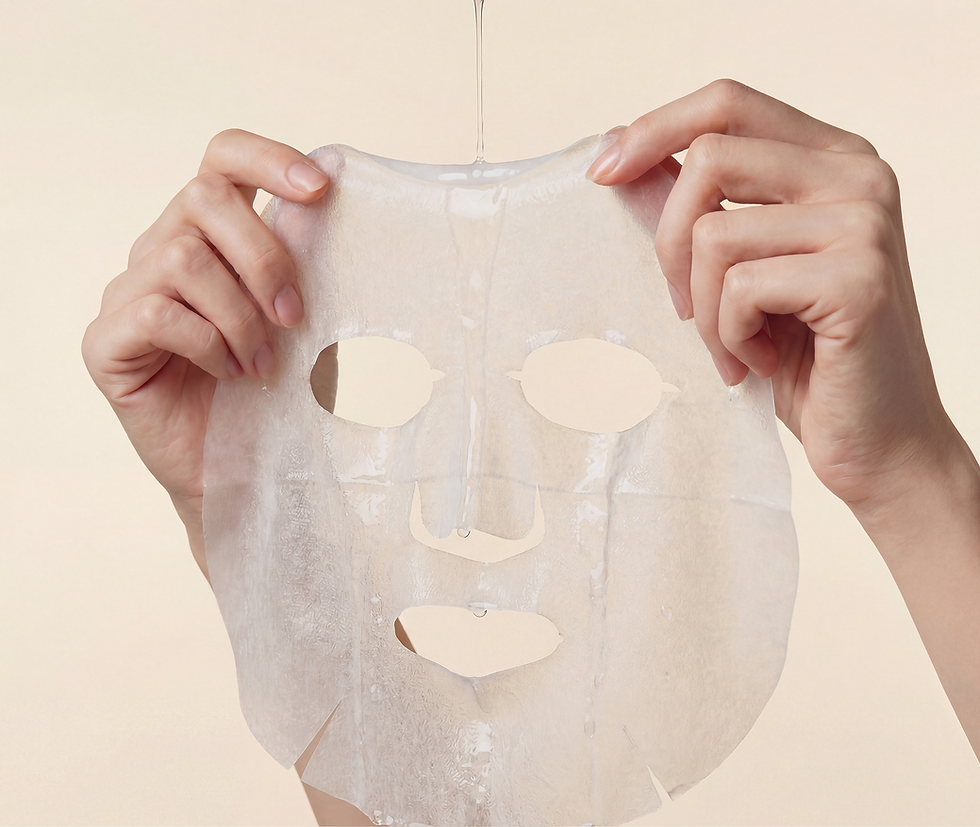
Comparing Efficiency of Home-made Masks vs Sheet Masks
Efficiency in skincare depends on how well a product delivers benefits like hydration, nourishment, and skin barrier support. Both home-made and sheet masks can be effective, but their efficiency varies based on ingredients, skin type, and usage.
Hydration and Moisture Retention
Sheet masks often excel at hydration because they are soaked in serums rich in humectants like hyaluronic acid. The sheet material traps moisture against the skin, allowing better absorption. Home-made masks with ingredients like honey or aloe vera also hydrate well but may not lock in moisture as effectively.
Nutrient Delivery
Home-made masks can provide fresh, nutrient-rich ingredients such as antioxidants from fruits or anti-inflammatory compounds from turmeric. However, the concentration of these nutrients can be inconsistent. Sheet masks use scientifically formulated serums with standardized active ingredients, which may offer more reliable results.
Skin Barrier Support and Soothing
Both mask types can soothe irritated skin. For example, oatmeal in home-made masks calms inflammation, while sheet masks often contain calming agents like chamomile or centella asiatica extract. The efficiency depends on ingredient quality and skin compatibility.
Practical Use and Routine Integration
Sheet masks fit easily into busy lifestyles due to their convenience and quick application. Home-made masks require more time but offer a rewarding ritual and control over ingredients. Consistency is key for both to see lasting skincare benefits.
Tips for Choosing and Using Face Masks
Identify your skin type and concerns before selecting a mask.
For sensitive skin, patch test any new ingredient or product.
Use home-made masks immediately after preparation to preserve freshness.
Follow sheet mask instructions carefully, usually 15-20 minutes application.
Combine both types in your routine for variety and targeted care.
Maintain a balanced skincare routine with cleansing, moisturizing, and sun protection.
Final Thoughts on Home-made Masks and Sheet Masks
Both home-made and sheet masks have unique advantages and limitations. Home-made masks offer natural, customizable skincare with fresh ingredients but require effort and caution. Sheet masks provide convenience, consistent active ingredients, and effective hydration but come with higher costs and environmental concerns.
Choosing between them depends on your lifestyle, skin needs, and values. For those who enjoy natural, hands-on skincare, home-made masks can be a rewarding choice. If you prefer quick, reliable treatments with proven ingredients, sheet masks may fit better.
Try experimenting with both to discover what works best for your skin. Remember, the key to skincare efficiency lies in regular care and listening to your skin’s needs.


Comments